How do students truly understand antimicrobial resistance when it is discussed only in textbooks? Across microbiology education, educators continue to face the challenge of translating abstract microbiological concepts into observable laboratory evidence.
Antimicrobial resistance remains one of the most significant global public health concerns, increasing the need for strong microbiology education at school, college, and university level. In controlled teaching laboratories, antibiotic discs provide a highly effective method for demonstrating how bacterial populations respond differently to antimicrobial compounds.
At Blades Biological, we support microbiology teaching with laboratory resources that help educators present accurate biological concepts through structured practical work.
From preserved slides and laboratory cultures to materials used to buy bacterial cultures and antibiotic sensitivity teaching resources, educational institutions require dependable supplies that align with curriculum standards and laboratory safety protocols.
This article discusses how antibiotic discs are used to demonstrate antimicrobial sensitivity, the scientific principles behind inhibition zones, methods used in classroom microbiology practicals, and the educational value of bacterial resistance studies.
Understanding Antimicrobial Sensitivity
Antimicrobial sensitivity refers to the susceptibility of microorganisms to antimicrobial agents such as antibiotics. When bacteria are exposed to an antibiotic compound, their response depends on genetic and physiological characteristics. Some bacterial strains remain susceptible, while others possess resistance mechanisms that reduce or prevent antibiotic effectiveness.
In microbiology teaching, antimicrobial sensitivity testing helps students understand:
- Selective inhibition of bacterial growth
- Diffusion of antimicrobial compounds through agar
- Variability in bacterial resistance
- Laboratory interpretation of inhibition zones
- Standardised microbiological methodology
These observations provide a direct visual representation of microbial interactions with chemical agents.
What Are Antibiotic Discs?
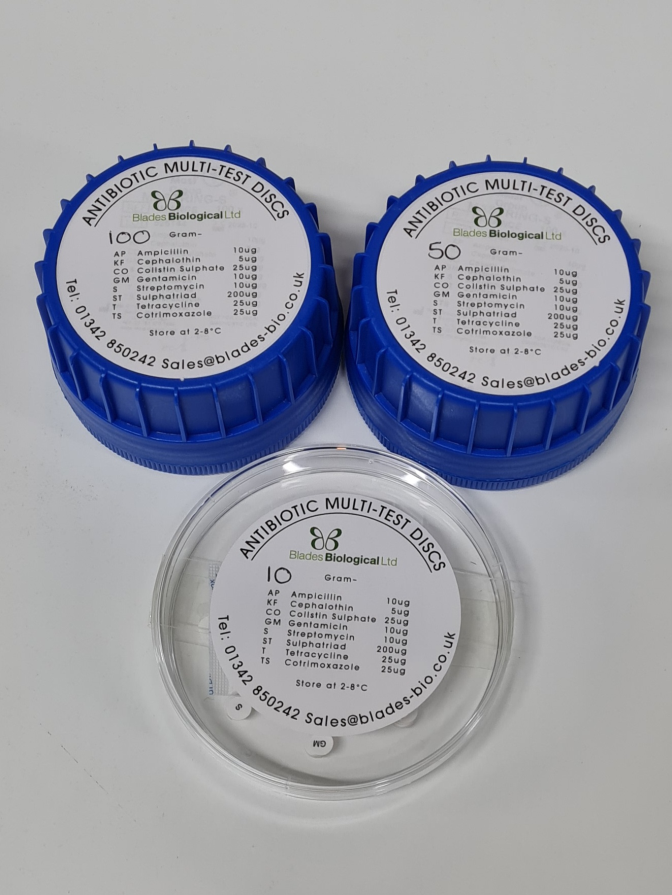
Antibiotic discs are small sterile filter paper discs impregnated with measured concentrations of antimicrobial compounds. During laboratory practicals, these discs are placed onto agar surfaces previously inoculated with bacterial cultures.
As the antibiotic diffuses outward through the agar medium, bacterial growth may become inhibited in surrounding areas. This creates visible clear regions known as zones of inhibition.
Students observing these plates can compare:
- Large inhibition zones indicating susceptibility
- Reduced zones indicating partial resistance
- Absence of inhibition suggesting resistance
Many educators choose to buy antibiotic discs online because they offer a standardised and reproducible method for teaching microbiological principles in practical sessions.
The Scientific Principle Behind Inhibition Zones
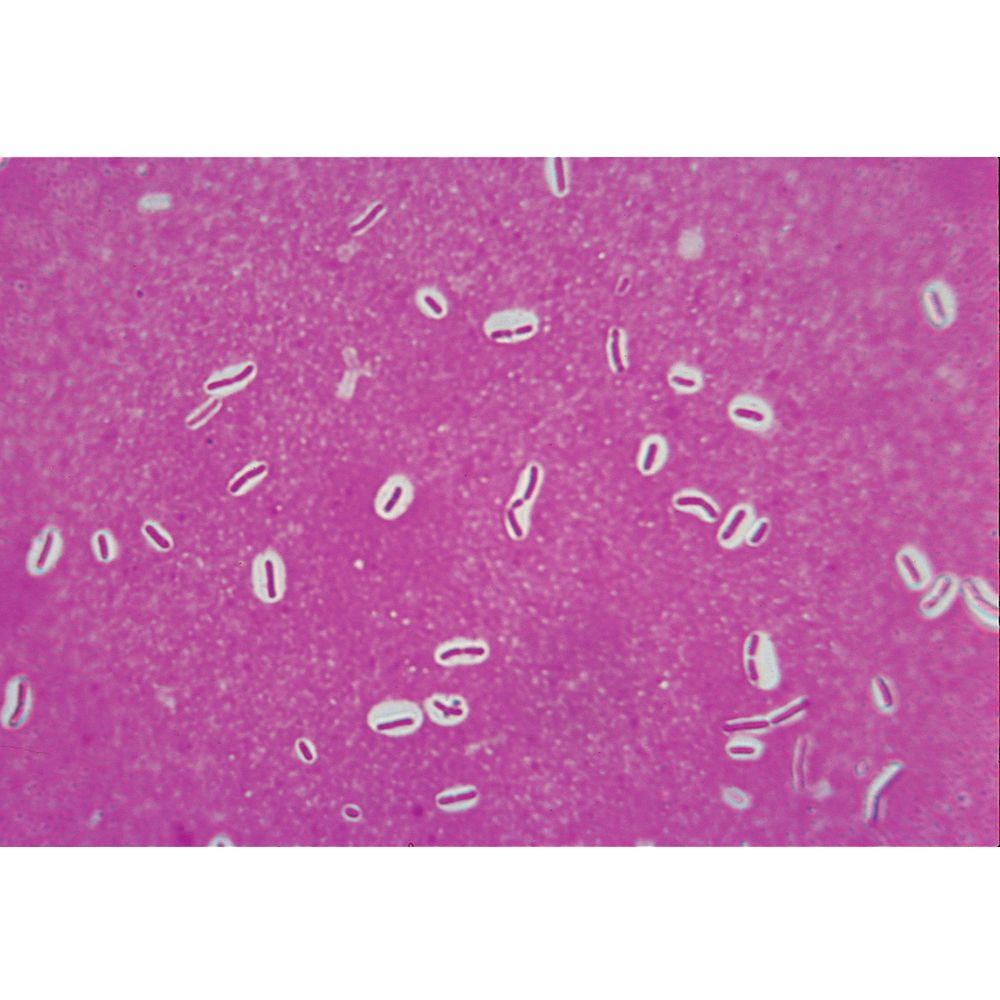
The formation of inhibition zones depends on diffusion kinetics and microbial susceptibility. After placement on inoculated agar, the antimicrobial agent moves radially through the medium. Concentration gradients form as diffusion progresses.
Where antibiotic concentration exceeds the tolerance threshold of the bacterium, cellular processes become disrupted. Depending on the antibiotic type, this may involve:
- Inhibition of protein synthesis
- Interference with cell wall formation
- Disruption of nucleic acid replication
- Alteration of membrane permeability
Areas where bacterial growth cannot continue remain visually clear after incubation.
This process introduces students to several important microbiological concepts:
Diffusion
Students observe how molecules spread through semi-solid growth media.
Bacterial Growth Patterns
The practical demonstrates how bacterial colonies proliferate under controlled environmental conditions.
Resistance Mechanisms
Differences between bacterial responses encourage discussion regarding acquired and natural resistance.
Standardisation in Microbiology
Students learn why controlled inoculum density, incubation temperature, and agar composition are essential for reproducible laboratory outcomes.
Educational Value in Microbiology Teaching
Antimicrobial sensitivity practicals remain highly valuable because they combine observational learning with quantitative interpretation.
Supporting Curriculum Objectives
Antibiotic disc practicals align with many biology and microbiology curriculum areas, including:
- Microbial classification
- Pathogenic microorganisms
- Antimicrobial agents
- Evolutionary selection
- Laboratory methodology
- Data interpretation
The activity also supports analytical thinking and scientific recording.
Encouraging Quantitative Analysis
Students frequently measure inhibition zones using rulers or callipers. This allows incorporation of:
- Data collection
- Comparative analysis
- Statistical interpretation
- Graph construction
- Experimental evaluation
Such activities strengthen practical laboratory competencies.
Reinforcing Aseptic Technique
Practical sessions involving bacterial cultures online or laboratory-prepared cultures introduce students to proper microbiological handling procedures, including:
- Sterile transfer methods
- Surface disinfection
- Controlled incubation
- Proper disposal procedures
- Safe handling of microbiological materials
These skills form an important foundation for future biological sciences study.
Typical Classroom Methodology
Although protocols vary depending on educational level, antimicrobial sensitivity demonstrations generally follow a standard sequence.
Preparation of Agar Plates
Nutrient agar or Mueller-Hinton agar is commonly used because it supports bacterial growth while permitting antimicrobial diffusion.
Inoculation of Bacterial Cultures
A sterile swab distributes bacterial suspension evenly across the agar surface to produce uniform growth.
Educators often buy bacterial cultures suitable for teaching practicals because standardised strains improve reproducibility and consistency during classroom demonstrations.
Placement of Antibiotic Discs
Sterile forceps position antibiotic discs onto the inoculated agar surface. Proper spacing is important to prevent overlapping inhibition zones.
Incubation
Plates are incubated under controlled conditions appropriate for the bacterial species used in teaching laboratories.
Observation and Measurement
After incubation, students examine and measure inhibition zones surrounding each disc.
This stage allows direct comparison between antimicrobial compounds and bacterial responses.
Demonstrating Bacterial Resistance
One of the strongest educational outcomes of antimicrobial sensitivity testing is visualising resistance itself.
Students frequently assume antibiotics affect all bacteria equally. Antibiotic disc demonstrations help correct this misunderstanding by showing that bacterial populations differ substantially in susceptibility.
Educators can use these practicals to discuss:
- Mutation and genetic variation
- Selection pressure
- Horizontal gene transfer
- Clinical implications of resistance
- Responsible antibiotic use
The visual nature of inhibition zones often improves retention of these concepts compared with lecture-based instruction alone.
Why Reliable Laboratory Resources Matter
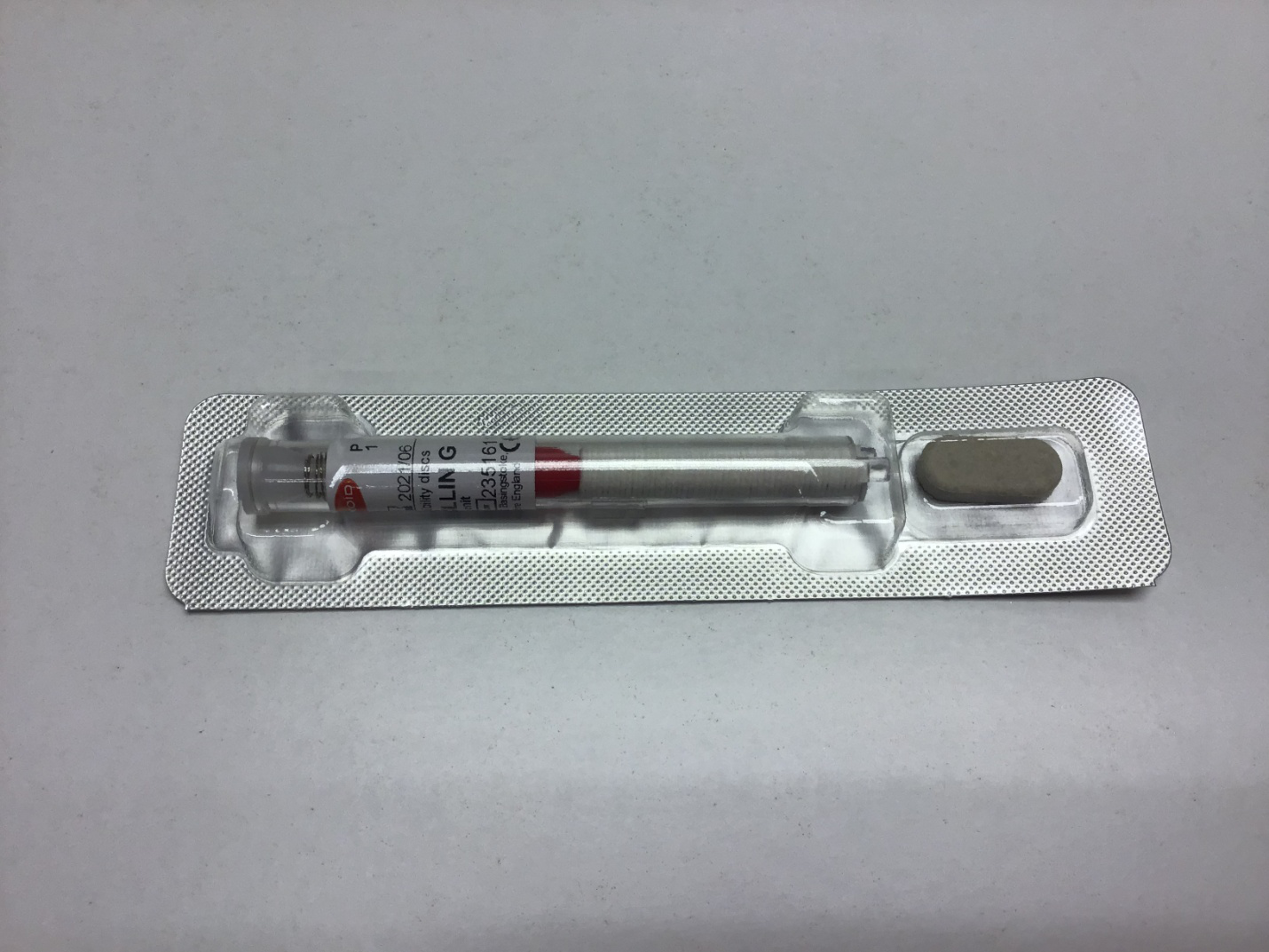
Could students fully interpret antimicrobial sensitivity results without consistent laboratory materials? Reliable educational supplies play an important role in producing accurate and repeatable practical outcomes.
Blades Biological supplies microbiology teaching resources designed to support schools, colleges, and universities delivering structured laboratory education.
Educators seeking to buy bacterial cultures, obtain preserved teaching materials, or purchase antibiotic discs online require dependable products that support effective microbiological instruction and laboratory consistency.
For institutions teaching antimicrobial sensitivity, access to properly prepared laboratory resources helps maintain reproducibility, supports curriculum delivery, and strengthens student understanding of microbiological science.
Browse the Blades Biological range to support practical microbiology teaching with reliable educational laboratory materials designed for structured scientific learning.