Which preserved specimens does Blades Biological supply?
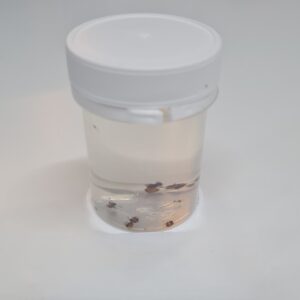
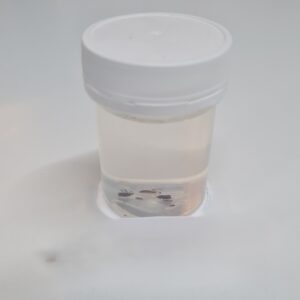
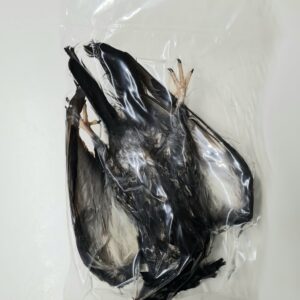
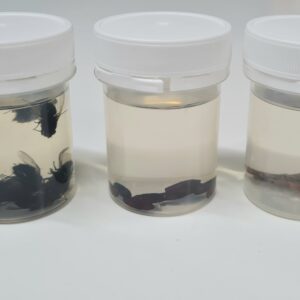
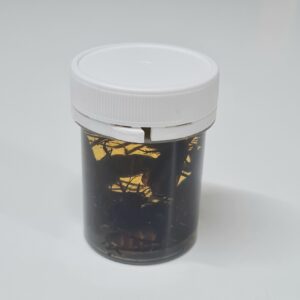
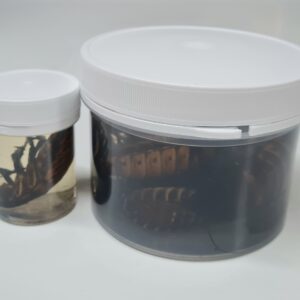
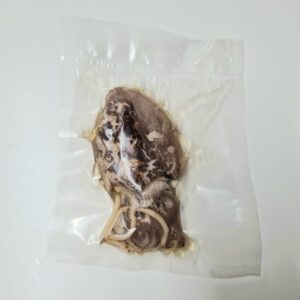
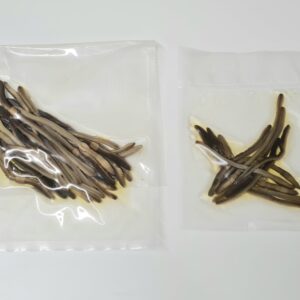
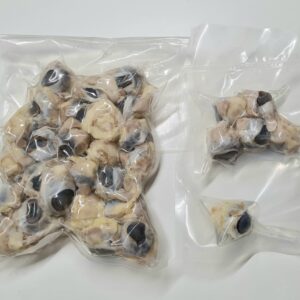
Our preserved specimens range supports gross anatomy and comparative morphology teaching. It includes invertebrates such as garden ants, aphids, beetles, bed bugs, centipedes, earthworms and several cockroach species (Blatta orientalis, Periplaneta americana and giant hissing cockroaches), alongside cuttlefish, bony fish and a bird species. For dissection teaching, we also supply frozen and chemically preserved hearts. Each product page confirms the available quantities and pricing, so departments can plan practical sessions with confidence.
What can students learn from preserved invertebrate specimens?
Invertebrates allow learners to examine body plans at a manageable scale. Insects demonstrate the division of the body into head, thorax and abdomen, together with jointed appendages and an exoskeleton. Earthworms illustrate metameric segmentation in annelids, while cuttlefish provide a cephalopod example from the phylum Mollusca. Comparing specimens from different taxa supports teaching on classification, adaptation and the relationship between structure and function.
Is a protozoa slide available for microscopy lessons?
Our Carolina Biological range includes a Protists section of prepared microscope slides, which is where a protozoa slide can be found. Protozoa are unicellular eukaryotes, so they must be examined using a compound microscope at suitable magnification. A permanent preparation allows repeated use across practical sessions and lets learners study cell form and, depending on the genus and staining method, internal structures such as the nucleus. Living protozoa cultures are supplied separately within our Algae and Living Organisms category, which allows a preserved slide and a living culture to be compared where the curriculum requires it.
How should preserved specimens be handled and stored?
Wear gloves and eye protection, work in a well-ventilated area and complete a risk assessment before each practical. Safety information for individual products is available in the Care Sheets and MSDS section of our website. Keep specimens in their original containers until required, and dispose of used material in accordance with your institution's policy and local regulations.
Where can I find dissecting guides and equipment?
Dissecting guides, preservation and dissecting equipment, preserved dissection sets and kits, and preserved classification sets are all listed within our Preserved Specimens and Equipment category. Frozen specimens and further dissecting equipment can be found in a separate category. Our team can advise on suitable combinations if you are unsure which items best match your scheme of work.