The traditional science classroom often relies heavily on static textbooks and rote memorization. While these methods have their place, research suggests a growing disconnect between theoretical knowledge and practical application.
A recent study found that students who participated in hands-on science experiments demonstrated a significantly deeper understanding of scientific concepts compared to those who learned solely through traditional methods.
This highlights the need for engaging in activities that bridge the gap between theory and practice, fostering a genuine curiosity about the natural world.
This is where using live organisms in science experiments becomes invaluable. By introducing students to the dynamic world of living creatures, educators can create a captivating learning environment that promotes critical thinking, problem-solving skills, and a deeper appreciation for scientific principles.
This blog explores the many benefits of incorporating live organisms, specifically Daphnia and algae, into science curricula. We will delve into how these organisms can be used to address key scientific concepts, cultivate a spirit of scientific inquiry, and ultimately, transform the science classroom into a vibrant hub of discovery.
Blades Biological is a leading supplier of high-quality live organisms, including daphnia pulex and algae cultures, specifically designed for educational use. Sourced and packaged with meticulous care, our products arrive healthy and ready for immediate experimentation.
Furthermore, we offer comprehensive care sheets and support resources to ensure optimal conditions for the live organisms throughout the learning process.
Unleashing the Power of Live Organisms in Science Experiments
1. Bridging the Gap Between Theory and Practice:
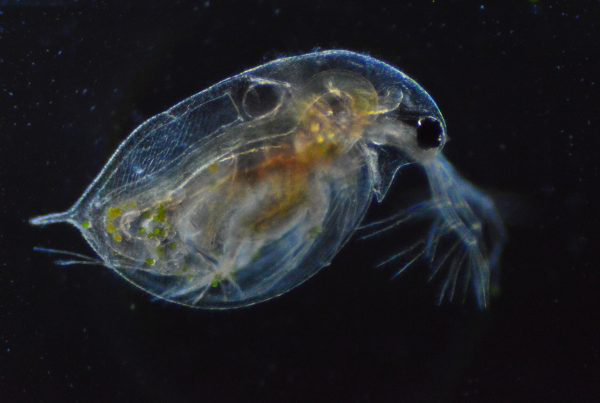
Textbooks provide a foundational understanding of scientific concepts. However, witnessing these concepts in action through live organisms brings a whole new dimension to learning. For instance, studying the intricate anatomy of Daphnia under a microscope allows students to visualize and comprehend the relationship between structure and function in a living organism.
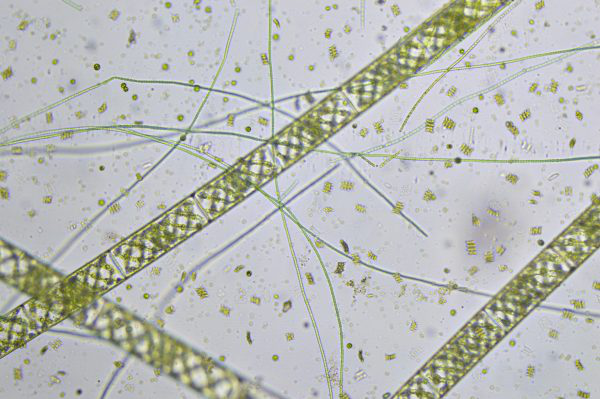
Similarly, observing the population dynamics of algae cultures provides an engaging platform for exploring concepts like exponential growth and carrying capacity.
2. Fostering Curiosity and Scientific Inquiry:
The inherent curiosity of young minds is a powerful motivator in learning. Live organisms are inherently fascinating, with their unique behaviours and complex life cycles. By observing these creatures, students are naturally drawn to ask questions, formulate hypotheses, and design experiments to test their ideas.
This fosters a spirit of scientific inquiry, a cornerstone of the scientific process.
3. Hands-on Learning and Building Practical Skills:
Science experiments using live organisms provide a platform for students to develop essential practical skills. Caring for daphnia cultures necessitates skills like proper feeding, maintaining water quality, and monitoring environmental conditions. These experiences allow students to develop a sense of responsibility and cultivate valuable laboratory practices.
4. Building a Foundation for Advanced Biology Concepts:
Experiments with Daphnia and algae serve as a springboard for introducing more advanced biological concepts. For example, studying Daphnia’s response to various environmental factors, such as temperature or pollution, lays the groundwork for understanding ecological principles like environmental change and adaptation.
Similarly, studying the growth patterns of algae cultures paves the way for exploring photosynthesis and its role in energy transfer within ecosystems.
Examples of Engaging Science Experiments with Daphnia and Algae
Daphnia Experiments:
- Heart Rate Response:Students can observe the beating heart of Daphnia under a microscope and investigate the effects of various stimuli, like temperature changes or light intensity, on its heart rate.
- Filter Feeding:Observing Daphnia’s intricate appendages and how they function in filter-feeding provides a tangible example of adaptations for feeding strategies in aquatic organisms.
- Population Dynamics:Establishing and monitoring Daphnia cultures allows students to study population growth, carrying capacity, and the effects of limiting factors on populations.
- Toxicity Testing:Daphnia’s sensitivity to environmental pollutants makes them ideal candidates for simple toxicity testing experiments. Students can investigate the effects of different substances on survival rates or behaviour.
Algae Experiments:
- Photosynthesis:Students can design experiments to investigate the factors affecting the rate of photosynthesis in algae cultures. This allows them to explore the relationship between light, carbon dioxide concentration, and oxygen production.
- Cellular Respiration:Using algae cultures, students can learn about cellular respiration by measuring oxygen consumption in the dark.
- Competition and Symbiosis:Examining mixed cultures of algae introduces students to concepts of competition and symbiosis within ecosystems.
Additional Considerations:
- Safety:Educators must ensure proper safety protocols are followed when working with live organisms. Blades Biological provides detailed care instructions and safety information with each purchase.
- Ethical Treatment:Instilling a sense of responsibility for living organisms is crucial. Our products arrive healthy and are specifically sourced for educational purposes with minimal environmental impact.
Transforming the Science Classroom with Live Organisms
Incorporating live organisms like Daphnia and algae into science classrooms has the potential to revolutionize the way students engage with scientific concepts. By providing hands-on experiences, fostering curiosity, and building a strong foundation for advanced biology, these experiments ignite a passion for learning and discovery.
Blades Biological is committed to supporting educators in their quest to create dynamic and engaging science learning environments. Our high-quality live organisms, coupled with comprehensive resources and support, empower teachers to deliver exceptional science education.
We invite you to explore our range of products and discover how live organisms can transform your classroom into a thriving ecosystem of learning.
By choosing Blades Biological for your live organism needs, you are not only investing in high-quality materials but also partnering with a company dedicated to supporting scientific education. Contact us today to learn more about our products and services and embark on an exciting journey of scientific exploration with your students.