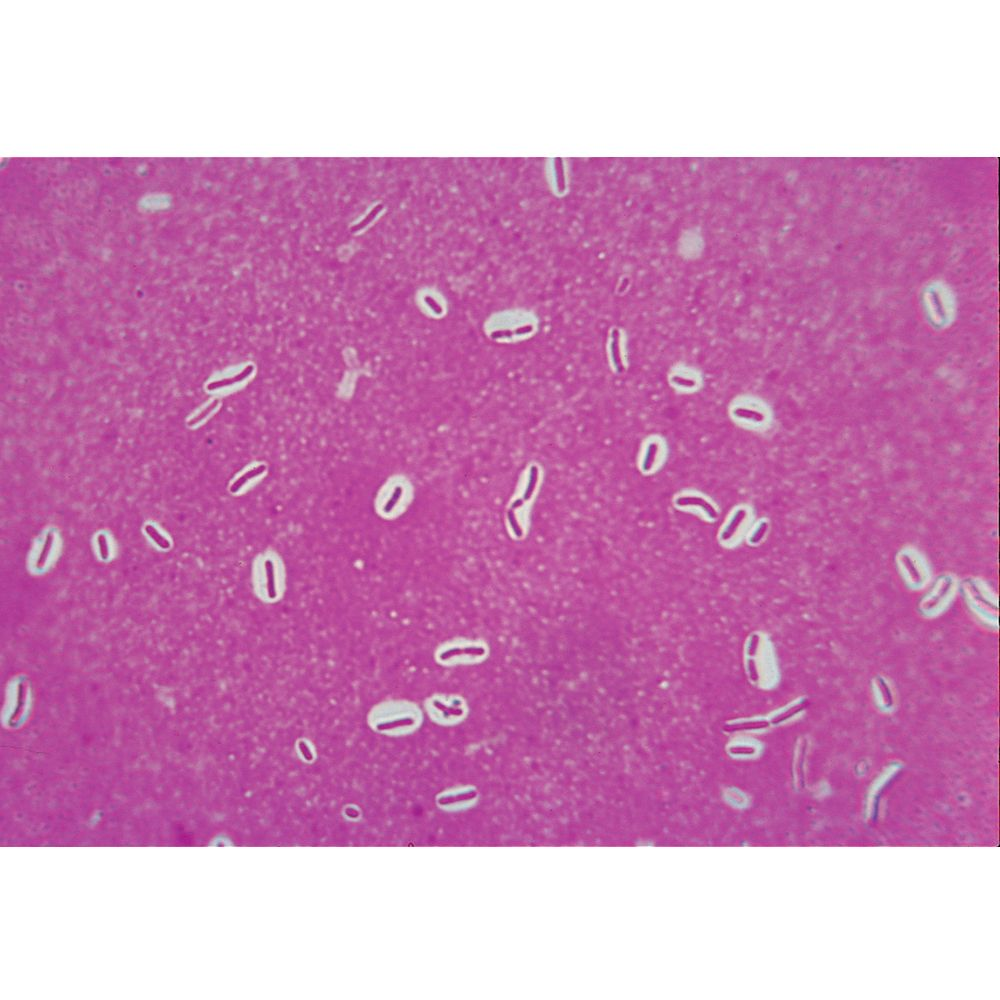
Could the right bacterial culture turn an abstract microbiology concept into direct laboratory evidence?
For educators, selecting appropriate cultures is essential when practical lessons involve microbial growth, colony morphology, aseptic technique and culture-based investigation.
We supply educational biology materials through Blades Biological, helping educators source bacterial cultures online alongside laboratory resources suited to structured teaching.
This guide outlines what to consider before purchasing and how cultures can support effective microbiology lessons.
What Are Bacterial Cultures?
A bacterial culture contains bacteria maintained under controlled conditions so that their biological characteristics can be studied. In education, cultures may support lessons involving:
- Microbial growth and reproduction
- Colony morphology
- Nutrient requirements
- Aseptic technique
- Environmental factors affecting bacterial growth
- Antimicrobial activity
When educators buy bacterial cultures, the selection should reflect the learning objectives, laboratory facilities and established institutional procedures.
What to Check Before Ordering
1. Species and Educational Purpose
The bacterial species should be clearly identified and appropriate for the intended practical activity. Consider whether students need to examine colony characteristics, compare growth conditions or investigate antimicrobial effects.
Clear product information also helps educators match cultures with existing laboratory protocols and teaching resources.
2. Culture Format and Condition
Check how the culture is supplied and whether it is intended for immediate practical use or requires preparation. Storage requirements, recommended media and handling instructions should be reviewed before ordering.
Educators should also confirm that suitable laboratory equipment and microbiology procedures are available before introducing cultures into practical sessions.
3. Supporting Materials
A bacterial culture may form only one part of a wider practical exercise. Depending on the lesson, educators may also require suitable culture media, inoculating equipment and antimicrobial testing materials.
For lessons involving antimicrobial susceptibility principles, it may also be appropriate to buy antibiotic discs. Searching for antibiotic discs online can provide access to discs containing defined antimicrobial agents for controlled educational investigations.
Using Bacterial Cultures Effectively in Teaching
A well-planned practical session should connect observation with biological theory. Students can record changes in colony appearance, compare experimental conditions and interpret results using appropriate microbiological terminology.
Before practical work begins, educators should establish clear instructions covering:
- Laboratory hygiene and aseptic technique.
- Appropriate personal protective equipment.
- Culture handling and containment procedures.
- Observation and recording methods.
- Disposal procedures in accordance with institutional requirements.
These measures help maintain controlled practical conditions while reinforcing responsible microbiology practice.

Practical Microbiology Starts With Appropriate Materials
What makes a bacterial culture useful in an educational laboratory? The answer lies in selecting material that matches the learning objective, practical facilities and teaching methodology.
At Blades Biological, we provide biological teaching materials for educators, including bacterial cultures and associated microbiology resources. We focus on supplying materials that support structured practical biology education.
Browse our range to buy bacterial cultures and related laboratory resources, or review our bacterial cultures online to select materials suited to your next microbiology lesson.