Using Antibiotic Discs to Teach Microbial Resistance: A Practical Guide for Schools
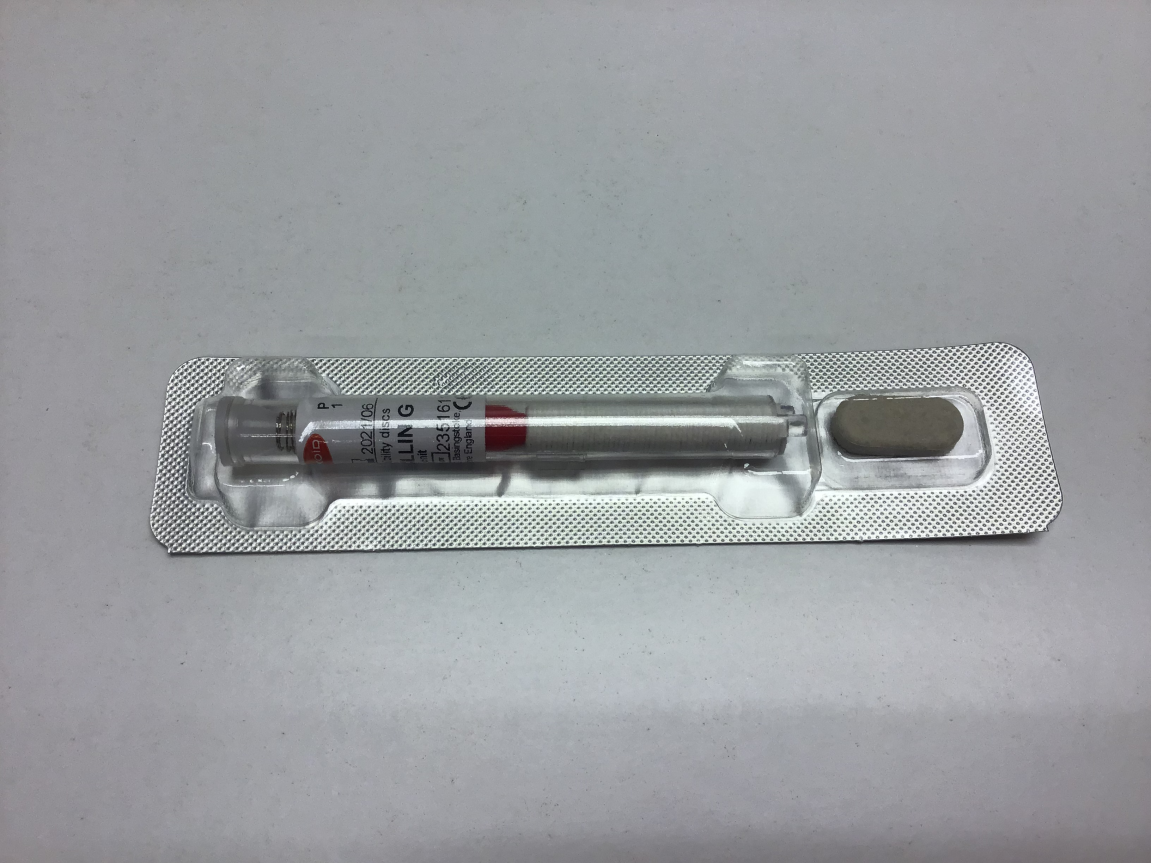
How can we make the global issue of antibiotic resistance real for students in the classroom? With millions of deaths globally attributed to antimicrobial-resistant infections each year, educators have a growing responsibility to teach this concept with clarity and relevance. Antibiotic discs provide an accessible, safe, and scientifically rigorous way to demonstrate resistance in action.
At Blades Biological, we support biology instruction with materials aligned to UK secondary science curricula, offering both antibiotic discs and preserved bacterial cultures suitable for classroom use. As one of the leading UK suppliers of preserved and living biological materials for schools, we provide tools that help bridge textbook learning with real-world applications.
This guide explains how antibiotic disc diffusion tests can be implemented in schools to demonstrate microbial resistance, with step-by-step setup guidance, practical safety notes, and connections to national curriculum standards.
Why Use Antibiotic Discs in the Classroom?
Antibiotic susceptibility testing using pre-loaded discs allows students to:
- Observe zones of inhibition and measure bacterial response
- Compare the effectiveness of different antibiotics
- Understand how resistance develops and spreads
- Relate microbiological data to public health concerns
This practical links directly to KS4 and post-16 biology topics on microorganisms, communicable disease, and mechanisms of resistance.
Materials and Setup
You’ll need:
- Aseptic work area
- Agar plates
- Bacterial cultures(non-pathogenic, educational-grade)
- Pre-loaded antibiotic discs
- Inoculating loops and sterile swabs
- Incubator (25°C recommended for classroom safety)
Once inoculated, antibiotic discs are placed onto the agar. After incubation, students can measure inhibition zones and compare results against reference tables.
Discover the procurement strategies for bacterial cultures and other biological specimens.
Safety Considerations
- Always follow CLEAPSS guidelines for safe microbiology work
- Ensure all bacterial culturesare non-pathogenic strains suitable for education
- Use personal protective equipment and sterilise all materials post-experiment
What Can Students Learn?
This practical helps students:
- Interpret scientific data
- Apply quantitative measurement skills
- Understand mechanisms of natural selection
- Engage in discussion about antibiotic overuse and healthcare consequences
Ready to Equip Your Lab?
What better way to teach real microbiology than with methods used by researchers and clinicians every day? At Blades Biological, we supply schools across the UK with high-quality antibiotic discs, preserved cultures, and sterile lab supplies—ideal for demonstrating microbial resistance effectively and safely. As one of the trusted UK suppliers of Carolina Biological’s preserved specimens and specialist microbiology resources, we support educators in delivering accurate, curriculum-aligned content.
Buy antibiotic discs online, order preserved bacterial cultures, and stock up on reliable, classroom-ready materials. Let us help you build practical lessons that stick.