Stem cells are the only cells in a living organism’s body with the ability to generate new cells. These daughter cells might be more stem cells, or they might be cells with specific functions. Take a closer look at our Human Cardiac Muscle Slide, for instance. It features specialized cells with functions specific to the human cardiac muscle and cannot form daughter cells.
Our prepared microscopic slide sets drive home how much stem cells can achieve. They have the power to create; without them, we wouldn’t be able to reach the following milestones.
The First Bone Marrow Transplant
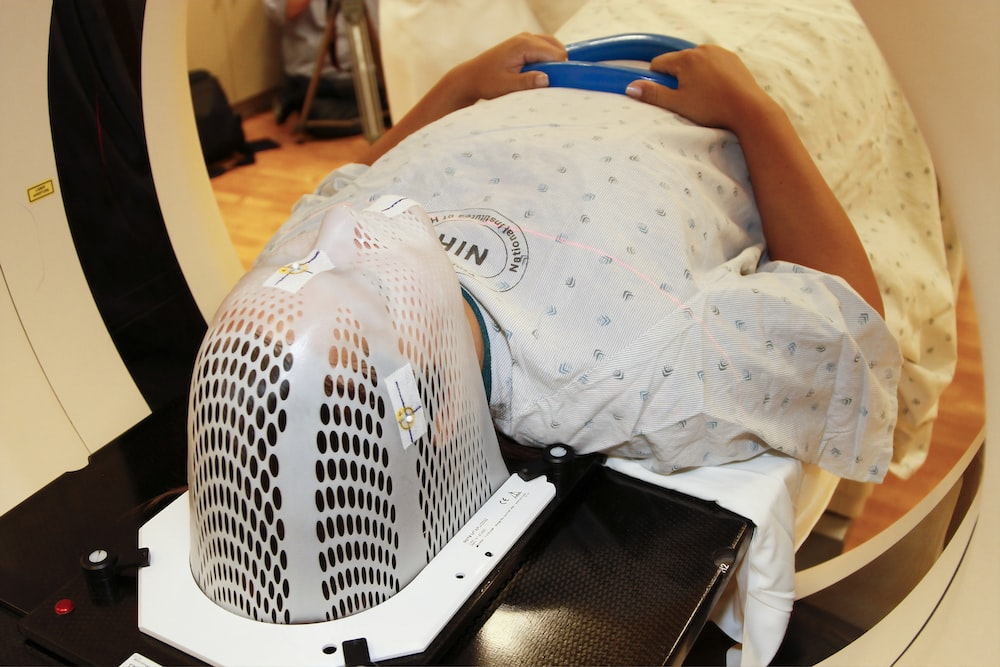
The first successful bone marrow transplant in humans took place on 12 September 1957. Also known as stem cell transplant, this therapy usually follows chemotherapy and radiotherapy to destroy unhealthy cells and marrow. Once this is achieved, these cells and marrow are replaced with healthy blood-forming cells from another person’s bone marrow.
Although not 100% successful for all patients, stem cell transplants have made strides against various diseases, such as:
- Bone marrow failure
- Cancers of the white blood cells (leukaemia and lymphoma)
- Cancer of the plasma cells (multiple myeloma)
- Sickle cell anaemia
- Thalassaemia
- Severe combined immunodeficiency
- Hurler syndrome
You can find the microscopic slide sets for some of the above cardiovascular diseases on Blades Biological Ltd.
The Discovery of Adult Neural Stem Cells
Neural stem cells were first discovered in the central nervous system of the adult human brain in 1992 by Brent A. Reynolds and Samuel Weiss, putting to bed the previous concept that nerve cells do not regenerate.
These stem cells bear daughter cells that mature into neurons and give rise to non-neuronal cells for improved neural functioning. This development blew the field of brain disease wide open, creating a possibility for treating life-altering and high-mortality conditions like glioblastoma, one of the most aggressive types of brain tumour.
Beating Heart Cells (Outside the Organism’s Body)
The Netherlands was the first country to create beating heart cells outside a living organism’s body in 2001. Professor Christine Mummery and her team at the Leiden University Medical Centre generated heart muscle cells from human embryonic stem cells—the latter was identified not long ago, in 1998.
This development was pivotal for studying congenital heart disease in humans instead of animals. Human hearts work differently from other animal hearts. Therefore, the development of living heart muscle cells enables us to investigate the causes behind human-centred congenital heart diseases, develop effective medicines for their treatment, and improve the screening and prevention of these diseases.
Stem Cell Transplant for Leukaemia Leads to HIV Remission
The first sign that people living with HIV and another condition can go into remission for both conditions cropped up in 2009 when a man with acute myelogenous leukaemia underwent a bone marrow transplant and ended up experiencing HIV remission for 12 years.
He died of a cancer relapse in September 2020, but by then, another such case had occurred, this time with a British patient with Hodgkin lymphoma. They have been in HIV remission for 30 months after their bone marrow transplant.
The third and more recent case is a New York-based woman who was diagnosed with leukaemia in 2017, underwent a bone marrow transplant 51 months ago, stopped antiretroviral therapy 37 months ago, and has been in HIV remission for the past 14 months.
While the first patient’s cancer relapsed, they remained in HIV remission until they lost their cancer battle. As research advances, dual stem cell therapy may lead to successful remission for cancers and HIV.
Harvard Scientists Recreate Stem Cells for 10 Genetic Disorders
In August 2008, Dr George Daley and his co-worker at Harvard University announced that they had recreated stem cells by using the skin and bone marrow cells from people with genetic disorders, such as Parkinson’s, Down Syndrome, and Huntington’s.
This new development meant that scientists could see the disease progress in a petri dish and observe the negative and positive effects of various interventions more clearly.
Macular Degeneration Treated with Skin-to-Eye Stem Cell Transplant
Age-related macular degeneration affects thousands of people in the UK, with hundreds joining the numbers annually. In 2018, one of the two patients treated with a skin-to-eye stem cell transplant got the sight back in his right eye after losing it completely three years ago.
He was one of the first people in the UK to receive the transplant, which was introduced in 2014 by a team of Japanese scientists who successfully treated the macular degeneration of a 70-year-old patient with a skin-to-eye stem cell transplant.
New Blood on the Horizon
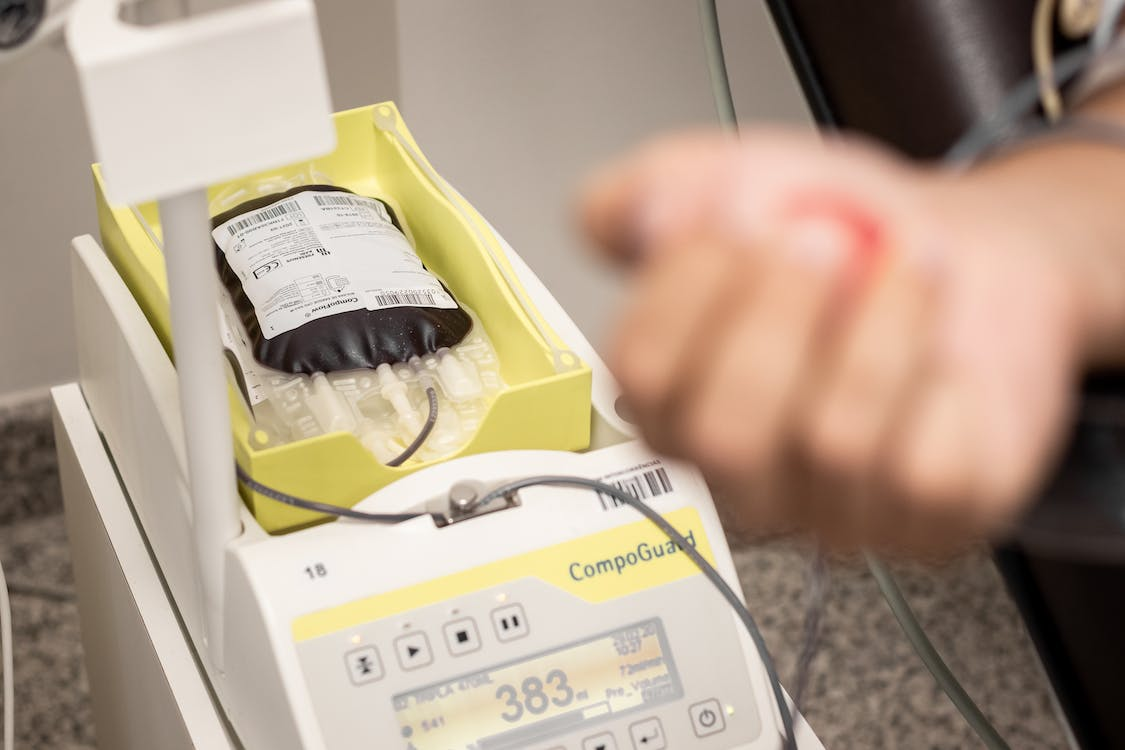
In April 2016, Dr Jo Mountford, a University of Glasgow professor specializing in stem cell research, revealed she had been creating new blood in her lab since 2007. In 2008, she and her team produced 100,000 red blood cells and had increased this output to 10 billion (8.8 litres) by 2014.
The professor also revealed that her team can now create new blood of a chosen blood group on demand within a month or less, thanks to the advancement in the manufacturing of stem cells in lab settings.
The development, while not nearly meeting the worldwide annual demand for 90 million transfusions, is certainly a positive step towards the mass production of healthy new blood similar to that produced in the human body.

Get Your Slides from the Top Carolina Biological Supplier in the UK
Blades Biological Ltd has the most extensive Carolina biology lab supply in the UK and contains prepared microscope slide sets of some of the diseases mentioned above. Bring these slides to your next stem cell research class to explain how they might become preventable and treatable with stem cell transplants. Transform your classroom experience by getting our full collections of microscopic slides related to plant, animal, and human anatomy.
Get in touch for special requests and inquiries.