Antimicrobials refer to medicines like antibiotics, antifungals, and antivirals that help in treating and preventing infections in animals, humans, and plants. However, in the case of microbial resistance, the bacteria becomes strong and resistant to such drugs. As a result, it poses a significant threat to our health and well-being. Thus, it’s essential to study microbial resistance so that scientists can develop new ways and mechanisms to combat antimicrobial resistance.
Antibiotic discs play an essential role in learning about microorganisms and microbial resistance. Hence, if you’re a lab technician or educator willing to teach your students about human health, look no further than Blades Biological Ltd. Now you can buy top-quality antibiotic discs online to learn about drug-resistant pathogens and antimicrobial resistance. We also offer microscope slide sets and are the only supplier of Carolina Biological‘s preserved organisms in the UK.
Let’s dive into this captivating topic and discover the importance of antibiotic discs in our quest to combat microbial resistance!
Understanding Microbial Resistance
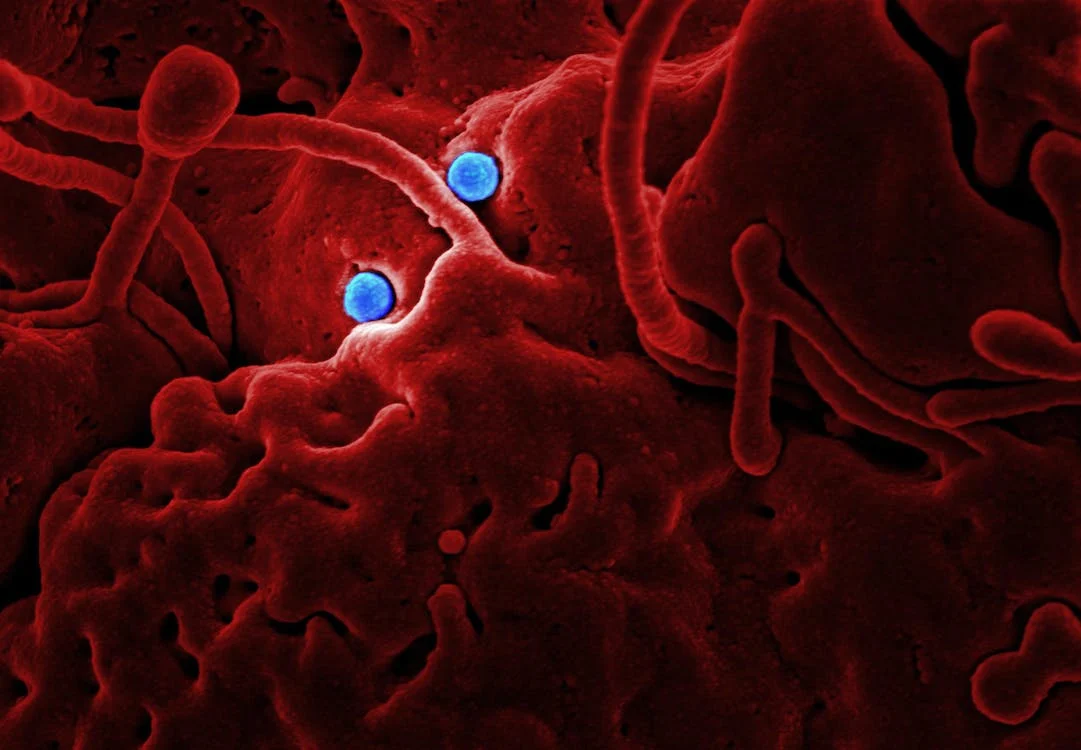
Microbial resistance is a complex phenomenon in which microorganisms, particularly bacteria, develop the ability to withstand the effects of antibiotics. It occurs through various mechanisms, including genetic mutations and the acquisition of resistance genes from other bacteria. These adaptations allow bacteria to survive and grow in the presence of antibiotics that were once effective in eliminating them.
Microbial resistance poses a significant threat to public health. It reduces the effectiveness of antibiotics, making infections more difficult to treat and increasing the risk of complications and mortality. Infections caused by resistant bacteria often require more expensive and toxic treatment options, leading to increased healthcare costs and a strain on healthcare resources.
Let’s learn some of the main causes of microbial resistance:

Misuse and Overuse of Antibiotics
One of the primary drivers of microbial resistance is the misuse and overuse of antibiotics. When antibiotics are used inappropriately, or without prescription, such as for viral infections that do not respond to antibiotics, bacteria are exposed to sublethal doses of these drugs. This selective pressure creates an environment where resistant strains can emerge and thrive, rendering antibiotics less effective over time.
Inadequate Antibiotic Prescribing Practices
Improper prescribing practices, including incorrect dosages, incomplete treatment courses, and unnecessary or prolonged antibiotic use, contribute to the development of resistance. When antibiotics are not prescribed according to evidence-based guidelines, bacteria have more opportunities to adapt and acquire resistance mechanisms.
Horizontal Gene Transfer
Bacteria can share genetic material horizontally, transferring resistance genes between different species or strains. This process, facilitated by plasmids and other mobile genetic elements, allows resistance traits to spread rapidly within bacterial populations. Horizontal gene transfer plays a significant role in the dissemination and accumulation of resistance genes, further complicating the fight against microbial resistance.
Inadequate Infection Prevention and Control
Poor infection prevention and control measures contribute to the spread of resistant bacteria. In healthcare settings, inadequate hand hygiene, improper sterilisation practices, and suboptimal environmental cleaning can lead to the transmission of resistant strains among patients. Similarly, in community settings, inadequate sanitation and hygiene practices can contribute to dissemination of resistant bacteria in the environment.
The Role of Antibiotic Discs In Learning About Microbial Resistance
Antibiotic discs are small, circular pieces of filter paper infused with specific antibiotics. These discs come in various antibiotic types, each targeting different classes of bacteria. They provide a controlled and standardised method to test the susceptibility of bacteria to specific antibiotics.
Let’s learn how they help in understanding microbial resistance.
Assessing Bacterial Susceptibility
The primary function of antibiotic discs is to assess the susceptibility of bacteria to different antibiotics. The discs are placed on agar plates where bacteria are cultured. The antibiotics diffuse into the agar and create a concentration gradient around the discs. The zone of inhibition, an area around the disc where bacterial growth is inhibited, indicates the effectiveness of the antibiotic against the tested bacteria.
Identifying Resistance Patterns
Using antibiotic discs allows researchers and healthcare professionals to identify resistance patterns within bacterial populations. The presence or absence of zones of inhibition provides crucial information about the bacteria’s resistance to specific antibiotics. This helps determine the most appropriate treatment options and develop effective strategies to combat microbial resistance.
Antimicrobial Susceptibility Testing
Antibiotic discs enable antimicrobial susceptibility testing, a crucial tool in clinical settings. This testing allows healthcare providers to determine the most effective antibiotics for treating bacterial infections.
They help monitor the emergence and spread of resistant strains, helping identify and address the evolving challenges posed by microbial resistance. By exposing bacterial isolates to various antibiotics on the discs, they can evaluate the bacteria’s response and select the most appropriate treatment option based on the results.
Monitoring Resistance Trends
Antibiotic discs aid in monitoring resistance trends over time. By testing bacterial isolates from different sources and locations, researchers can track changes in resistance patterns and identify emerging resistance trends. This information is vital for understanding the dynamics of microbial resistance, guiding antibiotic stewardship programs, and implementing appropriate infection control measures.
Determining Minimum Inhibitory Concentration (MIC)
MIC refers to the lowest concentration of an antibiotic that inhibits visible bacterial growth. Antibiotic discs can be used to perform a gradient diffusion test, commonly known as the Etest, to determine the MIC value.
The Etest involves placing an antibiotic strip on an agar plate inoculated with bacteria. As the antibiotic diffuses from the strip into the agar, a concentration gradient is established. The MIC is then determined by observing the point at which bacterial growth intersects with the antibiotic concentration gradient.
Educational Value
Antibiotic discs also serve as powerful educational tools. They offer hands-on learning experiences for students, enabling them to explore the effects of different antibiotics on bacterial growth and understand the concept of microbial resistance. Through practical experiments, students can grasp the importance of responsible antibiotic use and develop a deeper understanding of the challenges posed by microbial resistance.
Buy Antibiotic Discs Online From Blades Biological To Study Microbial Resistance
Ready to delve into the fascinating realm of microbial resistance? Blades Biological offers a wide range of antibiotic discs that are essential for studying and understanding microbial resistance. By obtaining these high-quality antibiotic discs online, you can embark on captivating research and educational journeys.
Explore the effectiveness of different antibiotics, investigate resistance patterns, and contribute to the fight against antibiotic resistance. Whether you’re a researcher, educator, or healthcare professional, our antibiotic discs provide invaluable resources for unravelling the mysteries of microbial resistance.
Contact us for more information.