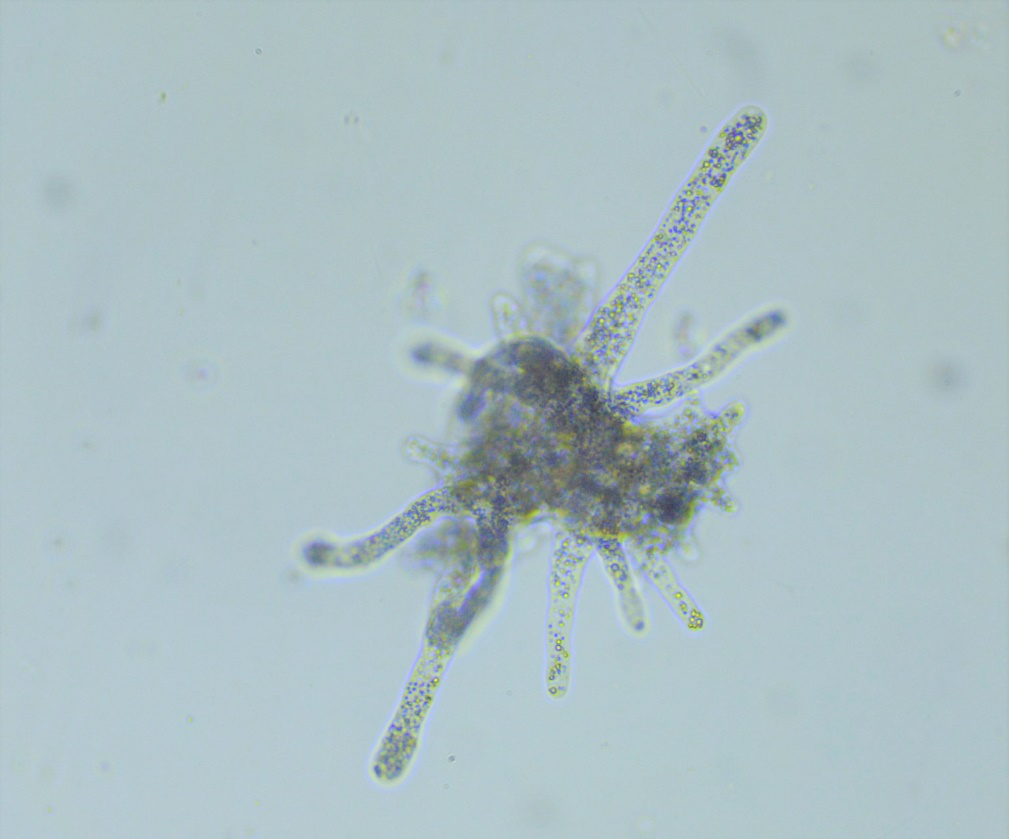
How can a single-celled organism provide learners with a clearer understanding of cellular biology, structure, and biological processes? Microscopy remains one of the most effective methods for introducing students to the principles of cell biology, with millions of learners worldwide using prepared specimens and laboratory cultures to study microscopic organisms.
However, effective teaching requires reliable materials that allow students to examine biological structures with accuracy and consistency.
At Blades Biological, we provide educators with high-quality biological materials, including preserved specimens, microscope slide sets, and live cultures designed for classroom and laboratory learning. Our resources support structured lessons where students can study organisms such as Amoeba proteus using appropriate teaching materials.
This article examines how Amoeba proteus slides and live amoeba cultures support microscopy education, comparing preserved prepared slides with live specimens while explaining their role in demonstrating cellular organisation.
Understanding Amoeba proteus in Biology Education
Amoeba proteus is a widely recognised protozoan used in biology education because its large single-celled structure makes key cellular features easier to observe under a microscope. As a member of the protozoa group, Amoeba proteus provides learners with a valuable example of how a complete organism can exist as one cell.
Microscopic observation of Amoeba proteus can support lessons covering:
- Single-celled organism structure
- Cytoplasm and cellular components
- Cell boundaries and internal organisation
- Differences between unicellular and multicellular organisms
- The relationship between structure and biological function
By observing Amoeba proteus under laboratory conditions, students can develop practical microscopy skills while connecting textbook concepts with direct biological evidence.
The Role of an Amoeba proteus Slide in Microscopy Lessons
An Amoeba proteus slide provides educators with a prepared specimen that allows students to examine the organism’s cellular structure in a controlled teaching environment. Prepared microscope slide sets are particularly useful for classrooms because they offer consistent samples for repeated demonstrations and practical activities.
A preserved Amoeba proteus slide allows learners to focus on identifying visible cellular features without requiring specimen preparation. These slides are valuable for:
- Introducing microscope handling techniques
- Demonstrating protozoan cell structure
- Supporting comparative biology lessons
- Providing reference material alongside diagrams and digital resources
Using a Protozoa slide online resource can also help educators identify suitable materials for classroom requirements, ensuring that students have access to scientifically accurate examples of microscopic organisms.
Comparing Preserved Slides and Live Amoeba Cultures
Both preserved slides and live cultures have important roles in biology education. They provide different learning opportunities and can be used together to create a complete microscopy lesson.
Preserved Prepared Slides
Prepared microscope slide sets containing preserved specimens are designed for repeatable observation. They allow students to examine biological structures through a fixed sample that remains available for classroom study.
Benefits include:
- Consistent specimen quality
- Easy integration into practical lessons
- Reduced preparation requirements
- Long-term classroom availability
- Clear demonstration of cellular features
A prepared Amoeba proteus slide is especially useful when the learning objective focuses on identifying cell structures and understanding protozoan anatomy.
Live Amoeba Cultures
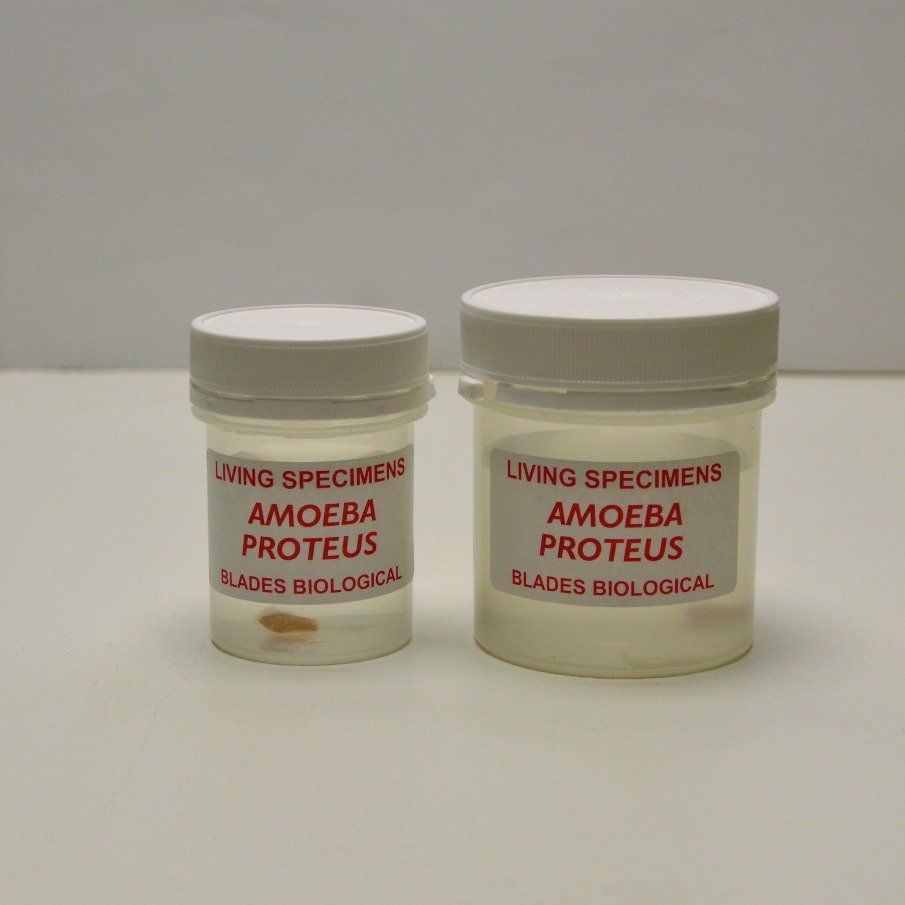
Live amoeba cultures provide another approach to studying protozoa in educational settings. These cultures allow educators to introduce students to living biological samples and demonstrate how microorganisms are studied within controlled laboratory environments.
Live cultures of protozoa, algae, and other educational organisms help students understand biological diversity and the importance of observation-based learning. When used alongside prepared slides, they provide a broader view of microscopic life and support practical laboratory skills.
Building Effective Microscopy Lessons with Protozoa Slide Resources
Selecting suitable microscope materials is essential for creating organised and informative practical sessions. A combination of prepared specimens, reference materials, and laboratory equipment can help educators deliver lessons that meet curriculum objectives.
A structured microscopy activity using a Protozoa slide may include:
- Introducing protozoan classification and biological importance.
- Reviewing microscope operation and slide handling methods.
- Observing prepared specimens through different magnification levels.
- Recording visible cellular characteristics.
- Comparing observations with biological diagrams and classroom resources.
Prepared microscope slide sets can also be used alongside other educational resources, including fungi microscope slides, to help students compare different types of microscopic organisms.
Why Quality Microscope Slide Sets Matter in Education
The quality of teaching materials directly influences the effectiveness of laboratory demonstrations. Reliable microscope slide sets allow educators to provide students with accurate examples of biological structures while maintaining consistency between lessons.
When selecting biological materials, educators should consider:
- Specimen clarity
- Scientific accuracy
- Suitability for the learning level
- Compatibility with classroom objectives
- Availability of supporting materials
A well-prepared Protozoa slide collection can become an important resource for biology departments, helping students build confidence with microscopy and biological identification.
Supporting Broader Biological Understanding Through Microscopy
Microscopy provides a foundation for understanding many areas of biology. Observing microorganisms helps students recognise that complex biological functions can occur at a cellular level. These lessons support later studies in genetics, ecology, physiology, and microbiology.
Materials such as a Protozoa slide online selection, fungi microscope slides, and other prepared microscope slide sets allow educators to introduce a wide range of biological examples. Each specimen provides an opportunity for students to develop observation skills and strengthen their understanding of scientific methods.
Bringing Microscopic Learning Into the Classroom
What can students gain when a microscope becomes a tool for direct biological investigation rather than only a classroom demonstration? The ability to observe cellular structures first-hand can make abstract concepts easier to understand and helps develop practical scientific skills.
At Blades Biological, we support educators by supplying a broad range of educational biology materials, including preserved specimens, microscope slide resources, and living cultures for laboratory teaching. Our association with Carolina Biological’s preserved specimens allows us to provide trusted materials for academic settings.
For educators looking for reliable resources for observing Amoeba proteus and other microscopic organisms, our collection of biological supplies provides practical options for classroom demonstrations and laboratory activities.
Browse and order from Blades Biological to access quality microscope slide sets and educational materials designed to support accurate, effective biology teaching.