How can a single algal culture reveal the complex processes behind photosynthesis and cellular organisation?
Understanding how algae respond to their surroundings provides valuable insight into fundamental biological processes, yet many educators need reliable laboratory materials to demonstrate these concepts effectively.
Research and teaching environments often require consistent biological resources that allow students to observe algal structure, photosynthetic activity, and ecological relationships through controlled investigations. We support this need by supplying high-quality educational biology materials, including algae cultures, microbiological resources, and preserved specimens for classroom and laboratory demonstrations.
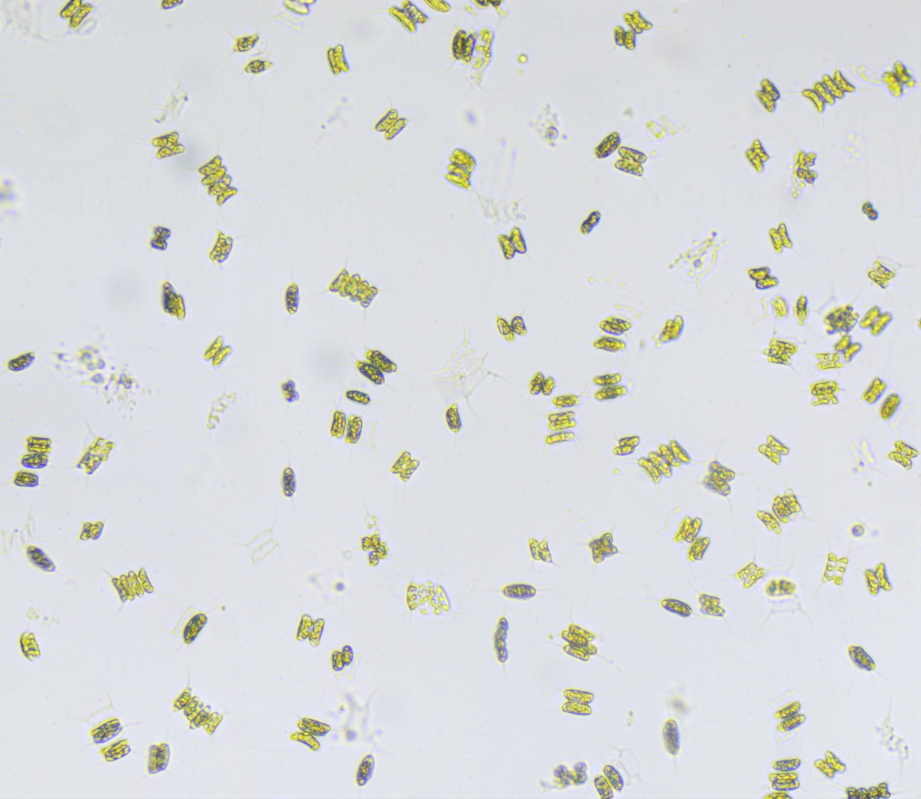
This article examines how Scenedesmus quadricauda supports algal physiology studies, its importance as a model organism, and how controlled culturing methods help students understand photosynthesis, cellular characteristics, and aquatic biology.
Understanding Scenedesmus quadricauda as a Model Algal Organism
Scenedesmus quadricauda is a freshwater green alga widely used in educational and research settings because of its suitability for studying algal biology. Its cellular structure and photosynthetic characteristics provide a practical example for investigating how microscopic organisms convert light energy into chemical energy.
As part of algae science experiments, Scenedesmus quadricauda allows students to examine important biological concepts, including:
- Photosynthetic processes and energy conversion
- Cellular organisation in microscopic algae
- Growth responses under controlled environmental conditions
- The relationship between light availability and algal activity
- The role of algae within freshwater ecosystems
The organism belongs to the Chlorophyta group of green algae and contains chlorophyll pigments that support photosynthesis. This makes it particularly useful when demonstrating how light-dependent reactions contribute to energy production in aquatic microorganisms.
The Importance of Controlled Algal Culturing in Education
Controlled culturing provides a structured approach for studying biological processes. In laboratory environments, educators can introduce students to how environmental factors influence algal growth and physiology.
A controlled culture system allows observations of factors such as:
- Light intensity and exposure periods
- Nutrient availability within growth media
- Water quality conditions
- Changes in population density over time
These observations help students connect theoretical biology concepts with practical laboratory applications. Rather than only learning about photosynthesis through diagrams and textbooks, learners can examine biological materials directly and understand how environmental conditions affect living systems.
Scenedesmus quadricauda cultures are particularly valuable because they provide an accessible model for demonstrating the relationship between organism structure and function.
Using Scenedesmus quadricauda for Algal Physiology Studies
Algal physiology studies focus on how algae function, grow, and respond to external conditions. Scenedesmus quadricauda provides a useful system for examining several physiological principles.
1. Studying Photosynthetic Activity
Photosynthesis is one of the most important biological processes on Earth. Through algal cultures, students can investigate how organisms use light energy to produce organic compounds.
Classroom demonstrations may focus on:
- The importance of chlorophyll pigments
- The effect of light conditions on photosynthetic processes
- Carbon dioxide utilisation during photosynthesis
- Oxygen production as a result of biological activity
These practical observations help establish a stronger understanding of plant-like processes in microorganisms.
2. Examining Cellular Structure
Microscopic analysis of Scenedesmus quadricauda helps students identify features associated with green algae. Observing cell arrangement and structural characteristics supports lessons in microbiology, cell biology, and aquatic ecology.
When combined with prepared slides, cultures, and other educational resources, algae samples provide a complete learning experience for students studying microscopic life.
3. Demonstrating Ecological Importance
Algae form the foundation of many aquatic food systems and contribute significantly to global biological processes. Studying organisms such as Scenedesmus quadricauda introduces students to the importance of primary producers in freshwater environments.
These lessons can connect laboratory observations with wider topics, including:
- Aquatic ecosystems
- Nutrient cycling
- Environmental monitoring
- Microbial communities
Supporting Practical Biology Lessons with Reliable Resources
Effective laboratory teaching depends on access to suitable biological materials. Educators require resources that support accurate demonstrations while maintaining consistency between practical sessions.
Algae for sale through educational suppliers provides schools, colleges, and universities with access to suitable organisms for classroom investigations. Alongside live algae cultures, microbiological materials such as protozoa, daphnia cultures, and live fungi cultures can support broader lessons in biological science.
For educators introducing practical activities involving algae balls, it is important to use appropriate algae materials and growth media rather than relying on finished products that are not designed for laboratory study. Understanding the biological components behind these systems allows students to gain a clearer view of algal cultivation and physiology.

Integrating Algal Cultures into Classroom Demonstrations
Scenedesmus quadricauda can be incorporated into several educational activities, depending on the learning objectives and laboratory facilities available.
Examples include:
- Microscopy sessions
Students can study algal structure and compare different microscopic organisms. - Photosynthesis demonstrations
Learners can investigate how environmental conditions influence photosynthetic activity. - Microbiology lessons
Algal cultures can complement studies involving other microorganisms and biological systems. - Ecology-based practical work
Students can examine the role of algae in freshwater environments and biological cycles.
Using appropriate laboratory materials helps create structured practical lessons that strengthen scientific understanding.
Maintaining Scientific Accuracy in Algal Studies
High-quality biological education depends on accurate materials and reliable information. Preserved specimens, prepared slides, and live cultures each serve different educational purposes and allow educators to demonstrate biological principles through appropriate methods.
For algal physiology studies, live cultures provide opportunities to examine biological characteristics under controlled conditions. Preserved specimens and prepared materials can complement these activities by supporting detailed observation and comparison.
By combining different teaching resources, educators can provide students with a broader understanding of biological diversity and cellular processes.
Advancing Understanding Through Practical Algal Research and Teaching
What questions about microscopic life can students answer when they have access to the right biological resources?
Practical investigation remains one of the most effective ways to strengthen scientific learning. Scenedesmus quadricauda provides educators with a valuable model for demonstrating photosynthesis, cellular biology, and aquatic microbiology in controlled laboratory environments.
At Blades Biological, we provide educational resources designed to support accurate and engaging biology demonstrations, including algae cultures, microbiological materials, and preserved specimens. As one of the leading suppliers of educational biology materials, we help educators access dependable resources for classroom and laboratory use.
Browse and order from Blades Biological to find suitable materials for algae science experiments, microbiology lessons, and practical biology demonstrations.
Our range of resources helps educators introduce students to biological concepts through carefully selected laboratory materials that support effective teaching.