In the vast landscape of microbiology, understanding microbial resistance is paramount, considering the escalating threat posed by antibiotic-resistant bacteria worldwide. According to recent statistics, antibiotic-resistant infections result in approximately 700,000 deaths globally each year, a figure projected to rise exponentially if left unchecked.
This burgeoning crisis underscores the urgent need for innovative solutions to combat microbial resistance effectively.
Enter antibiotic discs – small yet mighty tools that have revolutionised the field of microbial research. These discs, infused with a spectrum of antibiotics, serve as potent weapons in the arsenal of scientists striving to understand and overcome microbial resistance.
At Blades Biological, we recognise the pivotal role that antibiotic discs play in microbial research. As a leading provider of biology lab supplies, we offer a comprehensive range of antibiotic discs online, catering to the diverse needs of researchers and educators alike.
In this comprehensive guide, we delve into the multifaceted realm of antibiotic discs, exploring their applications in microbial research and shedding light on their indispensable role in the fight against antibiotic resistance.
Understanding Antibiotic Discs: A Primer
Antibiotic discs represent a cornerstone in the realm of microbiology, offering researchers and educators a potent tool for studying microbial behaviour and combating bacterial pathogens.
Introduction to Antibiotic Discs and Their Composition
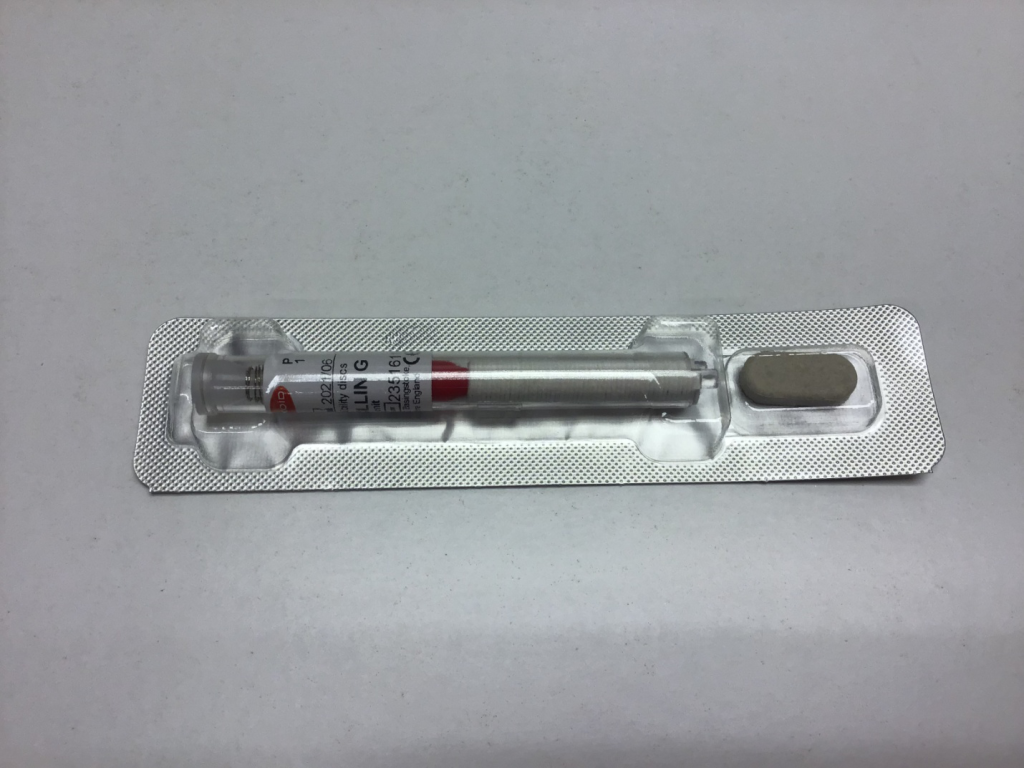
Antibiotic discs, also known as antimicrobial susceptibility discs, are small paper discs impregnated with specific antibiotics or antimicrobial agents. These discs serve as a standardised method for assessing the susceptibility of bacterial strains to different antibiotics.
The composition of antibiotic discs varies depending on the type of antibiotic being tested, with each disc containing a precise concentration of the active ingredient.
Mechanisms of Action: How Antibiotic Discs Inhibit Bacterial Growth
The efficacy of antibiotic discs stems from the mechanisms by which antibiotics exert their antimicrobial activity. Broadly speaking, antibiotics target essential components of bacterial cells, disrupting vital processes such as cell wall synthesis, protein synthesis, and DNA replication.
When applied to a culture plate containing bacterial colonies, antibiotic discs release the active ingredient into the surrounding agar medium, where it diffuses outward, creating a concentration gradient. Bacteria within the vicinity of the disc are exposed to varying concentrations of the antibiotic, leading to inhibition of growth or outright killing, depending on their susceptibility.
Types of Antibiotic Discs and Their Applications in Microbial Research

Antibiotic discs are available in a wide array of formulations, each targeting specific bacterial species or classes of bacteria. Commonly used antibiotics include penicillins, cephalosporins, aminoglycosides, fluoroquinolones, and macrolides, among others.
These discs find extensive applications in clinical microbiology for diagnosing bacterial infections and determining appropriate antibiotic therapy. Moreover, antibiotic discs are indispensable tools in research laboratories, where they are employed to study microbial resistance mechanisms, screen for novel antimicrobial compounds, and evaluate the efficacy of experimental treatments.
Assessing Microbial Susceptibility: The Disc Diffusion Method
The disc diffusion method, also known as the Kirby-Bauer test, represents the gold standard for assessing bacterial susceptibility to antibiotics. This simple yet powerful assay relies on the diffusion of antibiotics from impregnated discs into a semisolid agar medium, creating zones of inhibition around discs where bacterial growth is suppressed.
The procedure for performing disc diffusion tests involves several key steps:
- Preparation of the agar plates:The agar medium is inoculated with a standardised bacterial suspension and poured into petri dishes to solidify.
- Placement of antibiotic discs:Sterile forceps are used to place antibiotic discs evenly spaced on the surface of the agar plate.
- Incubation:The plates are then incubated at the appropriate temperature and incubation period to allow bacterial growth and antibiotic diffusion.
- Measurement of zones of inhibition:After incubation, the diameter of the clear zones surrounding each antibiotic disc is measured using a calibrated ruler.
- Interpretation of results:The size of the zones of inhibition is compared against standardised criteria to determine the susceptibility of the bacterial strain to each antibiotic tested.
By employing the disc diffusion method, researchers can rapidly assess the susceptibility of bacterial isolates to multiple antibiotics simultaneously, facilitating informed decisions regarding antibiotic therapy and epidemiological surveillance of antibiotic resistance patterns.
Educational Applications of Antibiotic Discs
Antibiotic discs not only serve as indispensable tools for microbial research but also offer invaluable educational opportunities for students at various academic levels. By incorporating antibiotic discs into microbiology curricula, educators can engage students in hands-on experiments that foster a deeper understanding of antibiotic resistance, susceptibility, and the scientific method.
Incorporating Antibiotic Discs into Microbiology Curricula
Integrating antibiotic discs into microbiology curricula provides students with a practical framework for exploring fundamental concepts in microbiology and antimicrobial therapy. By incorporating real-world scenarios and laboratory techniques, educators can enhance students’ comprehension of microbial behaviour and the mechanisms underlying antibiotic efficacy.
Hands-On Experiments for Students: Teaching Antibiotic Resistance and Susceptibility
Hands-on experiments involving antibiotic discs offer students a firsthand experience in investigating antibiotic resistance and susceptibility. Students can design and conduct experiments to assess the effectiveness of different antibiotics against bacterial strains, observe the formation of inhibition zones on agar plates, and analyse the results to infer bacterial susceptibility patterns.
One popular experiment involves testing the susceptibility of bacterial isolates obtained from environmental samples or clinical specimens to a panel of antibiotics. Students can inoculate agar plates with the bacterial isolates, place antibiotic discs on the surface of the agar, and observe the development of inhibition zones following incubation.
By measuring the diameter of the inhibition zones and comparing them against standardised criteria, students can determine the susceptibility profile of the bacterial isolates and gain insights into the prevalence of antibiotic resistance.
Engaging Students in Scientific Inquiry Through Laboratory Demonstrations
Laboratory demonstrations utilising antibiotic discs provide an interactive platform for engaging students in scientific inquiry and critical thinking. Educators can conduct demonstrations to illustrate key concepts such as the mode of action of antibiotics, the development of antibiotic resistance, and the principles of antimicrobial susceptibility testing.
During these demonstrations, students can observe the diffusion of antibiotics from the discs into the agar medium, the formation of inhibition zones around the discs, and the interaction between antibiotics and bacterial colonies.
By actively participating in the demonstration and analysing the experimental outcomes, students develop essential laboratory skills, observational abilities, and analytical thinking capabilities.
As we confront the challenges posed by antibiotic resistance, the importance of robust scientific research cannot be overstated. By harnessing the power of antibiotic discs, researchers worldwide are spearheading efforts to combat microbial resistance and safeguard public health.
Join us at Blades Biological in our mission to advance scientific knowledge and combat antibiotic resistance – browse our selection of biology lab supplies today and embark on a journey of discovery that holds the promise of a healthier, more resilient future.