The cornerstone of a successful biology education lies in fostering a spirit of scientific inquiry within students. Studies have shown that hands-on laboratory experiences are critical for solidifying theoretical knowledge, promoting critical thinking skills, and igniting a passion for the natural world.
However, educators often face challenges in acquiring the necessary resources to conduct engaging and informative lab experiments.
Blades Biological is an online supplier dedicated to providing educators with a comprehensive selection of high-quality biology lab supplies. We understand the importance of fostering a dynamic and stimulating learning environment, and our extensive product range empowers educators to design and execute labs that cater to diverse learning styles and curriculum requirements.
A World of Discovery at Your Fingertips
This blog delves into the diverse array of biology lab supplies offered by Blades Biological, meticulously categorized to streamline your search for the perfect resources.
Whether you require meticulously preserved specimens for anatomical dissections, captivating live cultures to observe the wonders of cellular respiration, or a comprehensive selection of dissection tools and prepared microscope slides, Blades Biological is your one-stop shop for fostering a vibrant biology learning experience.
Unveiling the Wonders of the Natural World: Preserved Specimens
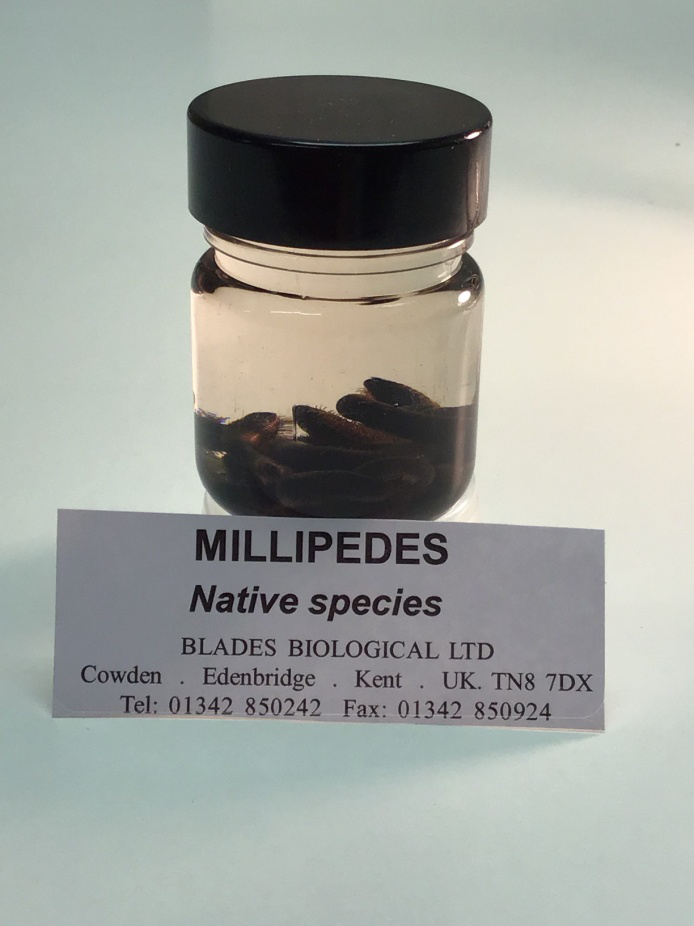
One of the cornerstones of a successful biology curriculum is the study of anatomy and physiology. Blades Biological offers a diverse selection of ethically sourced and meticulously preserved specimens. These specimens allow students to gain a firsthand understanding of the intricate structures that underpin life, fostering a deeper appreciation for the complexities of biological systems.
The Benefits of Utilizing Preserved Specimens:
Here are some of the benefits of incorporating preserved specimen experiments into your curriculum.
Ethical Sourcing
- Responsible Procurement: Blades Biological prioritizes sourcing specimens from reputable suppliers who adhere to ethical collection practices. This ensures that specimens are obtained legally and sustainably, with minimal impact on wild populations.
- Species Conservation: By promoting the use of ethically sourced preserved specimens, Blades Biological contributes to wildlife conservation efforts. By reducing the demand for live dissections, the pressure to collect animals from the wild is lessened.
Durability
- Long-Term Use: Preserved specimensare meticulously treated through a process that inhibits decomposition and safeguards their structural integrity. This allows for multiple uses across numerous academic years, maximizing the return on investment for educational institutions.
- Cost-Effectiveness: The reusability of preserved specimenstranslates to cost-efficiency for schools. In contrast, live dissections necessitate the continual purchase of new specimens, which can be a financial burden over time.
Safety
- Reduced Risk of Exposure:Preserved specimens are thoroughly sanitized and rendered non-hazardous, eliminating the potential exposure to pathogens or parasites that may be present in live organisms. This significantly reduces the risk of infections or allergic reactions among students in the laboratory setting.
- Safe Handling:Preserved specimens are often less delicate than their live counterparts. This allows for easier manipulation by students during dissections, minimizing the risk of accidental injuries caused by dissection tools.
Accessibility
- Year-Round Availability: Unlike live organisms, which may have seasonal availability or require specific environmental conditions, preserved specimensare consistently available throughout the year. This ensures that dissection labs can be conducted regardless of the season or weather conditions.
- Space Constraints: The use of preserved specimenseliminates the need for live animal maintenance facilities, which require significant space and resources. This makes biology education more accessible to schools with limited laboratory space.
Enhancing Student Learning with Preserved Specimens:
When strategically integrated into the curriculum, preserved specimens offer numerous benefits for student learning:
Visual Learning
Preserved specimens offer a tangible, three-dimensional representation of biological structures that complements textual and visual information presented in lectures and textbooks. By physically interacting with specimens, students can:
- Develop a concrete understanding of anatomical concepts:Handling and examining preserved specimens helps students form a strong mental image of the structures they are learning about, solidifying their knowledge and retention.
- Enhance observational skills:Close examination of specimens encourages students to develop keen observational skills as they identify and differentiate various anatomical features.
- Improve spatial awareness:Dissection of preserved specimens requires students to visualize the three-dimensional arrangement of organs and systems, enhancing their spatial reasoning abilities.
Spatial Reasoning
The three-dimensional nature of preserved specimens is invaluable in developing students’ spatial reasoning skills, which are essential for understanding biological systems. By dissecting and examining specimens, students can:
- Visualize the relationships between different organs and systems:Students can observe how organs are interconnected and how they work together to maintain homeostasis.
- Develop mental models:Building on their observations, students can create mental models of biological structures, which can be helpful for problem-solving and critical thinking.
- Improve problem-solving skills:Spatial reasoning is crucial for solving complex biological problems. By working with preserved specimens, students can develop the ability to visualize and manipulate objects in three dimensions.
Critical Thinking
Dissection of preserved specimens provides an excellent opportunity for students to engage in critical thinking and problem-solving. By analyzing the structures they observe, students can:
- Formulate hypotheses:Based on their observations, students can develop testable hypotheses about the function of specific structures.
- Draw inferences:Students can draw logical conclusions about the relationships between different parts of an organism based on their observations.
- Evaluate information:Dissection requires students to critically evaluate the information they gather from the specimen and compare it to information from other sources.
- Develop analytical skills:By breaking down complex biological systems into smaller components, students can improve their analytical skills and ability to understand how these components interact.
Scientific Inquiry
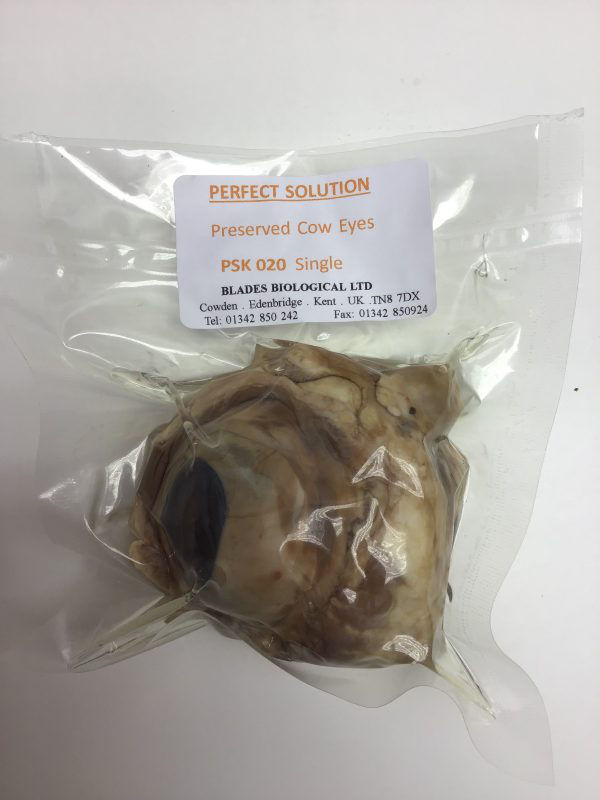
Working with preserved specimens can ignite a passion for scientific inquiry and exploration. By providing students with opportunities to ask questions, make observations, and conduct investigations, educators can foster a deeper understanding of the scientific process. Students can:
- Develop research questions:Based on their observations, students can generate questions that guide further investigation.
- Design experiments:Students can design experiments to test their hypotheses about the function of specific structures.
- Collect and analyze data:Dissection involves gathering data through observation and measurement, which students can then analyze to draw conclusions.
- Communicate findings:Students can present their findings to their peers, developing their communication and presentation skills.
By incorporating preserved specimens into the curriculum, educators can create a rich and engaging learning environment that promotes deep understanding, critical thinking, and a lifelong interest in science.
Browse Blades Biological’s comprehensive selection of dissection tools and accessories to complement your preserved specimens, ensuring a smooth and educational dissection experience for students. From high-quality scalpels and forceps to dissecting trays and disposable gloves, we provide all the necessary equipment for a safe and efficient dissection lab.